Browse Exhibits (3 total)
Classifying the Medieval World: Sample
Galleries from Gened 1160, pt. 1 classifying the Medieval World
Networks of Power
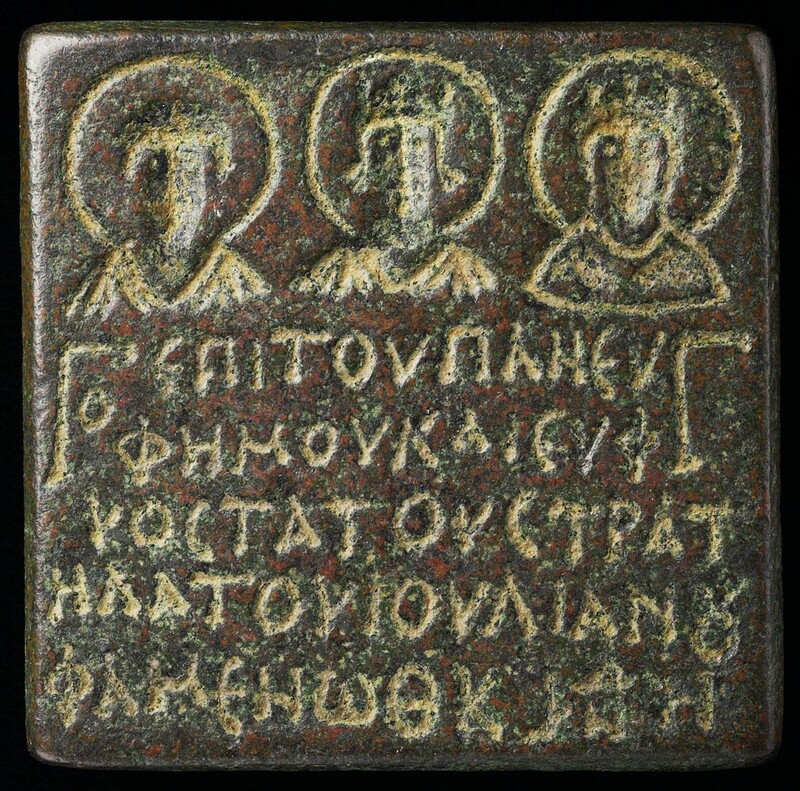
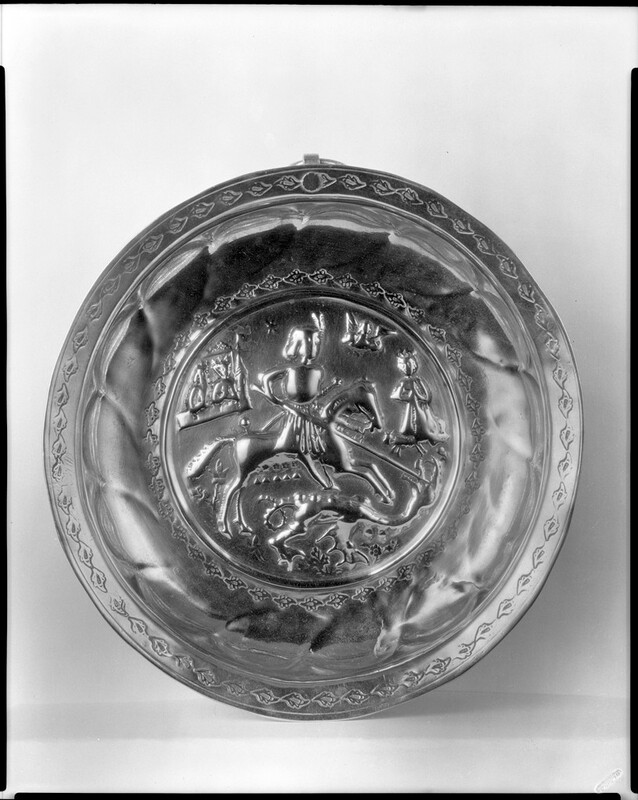
The Middle Ages were visually articulate, familiar with the importance of establishing physical legacies through functional and aesthetic objects capable of speaking on behalf of a regime’s power. The way in which medieval leaders presented their religious authority was deeply related to their individual sense of legitimacy — secularism was not a concept yet adopted by the regimes that dominated medieval political spheres. Political and physical power were additional networks through which medieval societies could articulate the power of their respective states, with the sophistication of their economic systems additionally reflected through displays of individual and state wealth.
Networks of power allowed individuals in the Middle Ages to develop personal relationships with the physical legacies of their societies. The use of sophisticated woodcut printing techniques, the incorporation of gilded liturgical objects within the Church setting, the introduction of luxurious fabrics like…
Beyond the Battlefield: Weapons and Armour in the Late Middle Ages
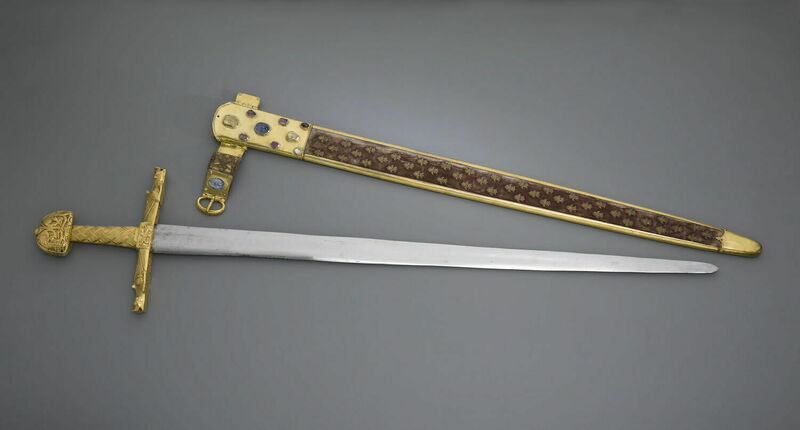
When it comes to weapons and armour, it's logical to associate them only with war and violence. After all, that is their primary function. Furthermore, the Middle Ages are a time ripe with accounts of battles and knights. However, it's important to remember that objects are multi-faceted with many uses and conditions that lead to their creation, and that Medieval society and culture extends far beyond its well-known military pursuits.
The Late Middle Ages and Renaissance objects gathered in this gallery consist of weapons and armour. However, they are displayed in connection with several non-military functions or aspects of Medieval European society: Traditions and Ceremonies, Interpersonal Conflict, Metallurgy and Economics, and Hunting.
To further understand how complex these objects are, consider these artefacts as historians and archaeologists do:
How was this object used? What was its purpose?
Did it have any secondary uses, or could it have been used in an unexpected…