Browse Items (32 total)
Sort by:
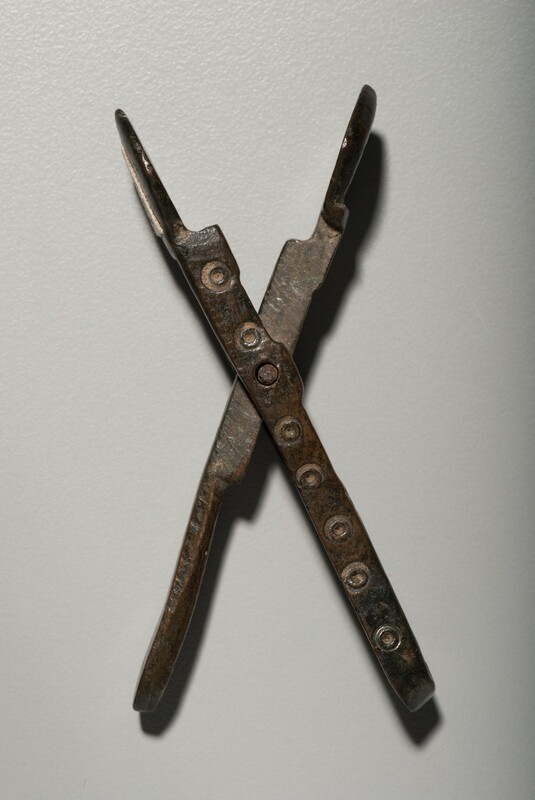
The object is made up of two copper alloy pieces joined by an iron rivet at the center. Both of the pieces were cast by the lost-wax process.
The decorative pattern of a circle with a dot at the center was created in the metal with a single…
The decorative pattern of a circle with a dot at the center was created in the metal with a single…
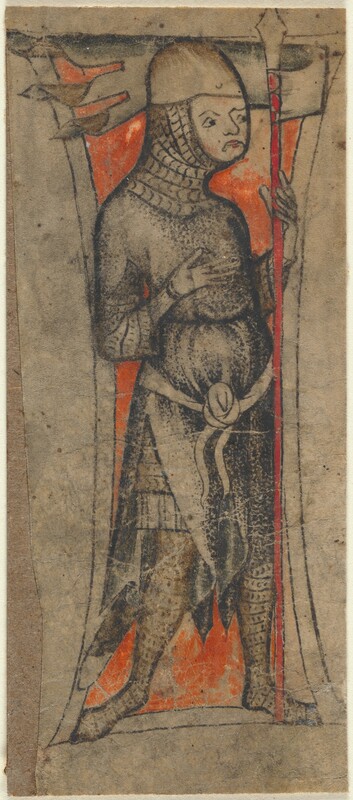
This is an initial depicting a knight framed by a gothic pinnacle with crockets.The piece further utilizes black and red watercolors to center its subject on parchment.
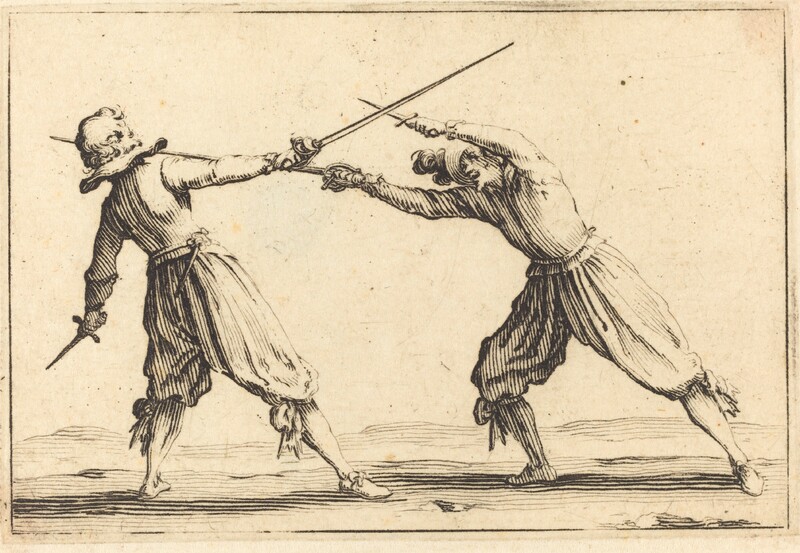
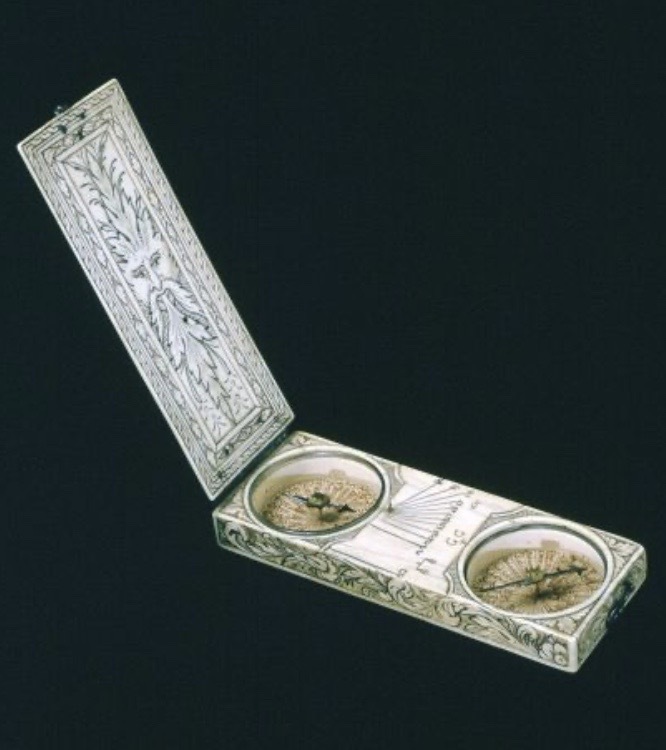
"This is an unusual ivory diptych sundial in both elongated shape and design. It has a single pin gnomon dial showing Italian hours and two magnetic compasses.
Ia Medici coat-of-arms surmounted by a crown and supported by acanthus leaves. The…
Ia Medici coat-of-arms surmounted by a crown and supported by acanthus leaves. The…
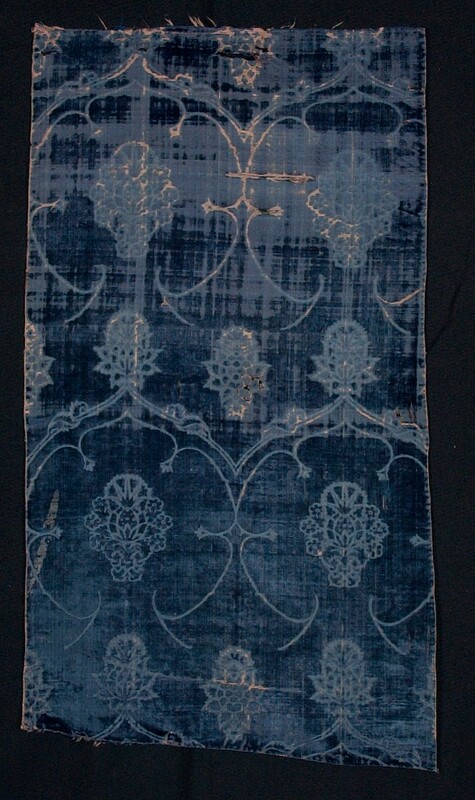
This blue cut and voided velvet is compound weaved in the "feronnerie" velvet style with a pomegranate motif within lobed ogival arches.
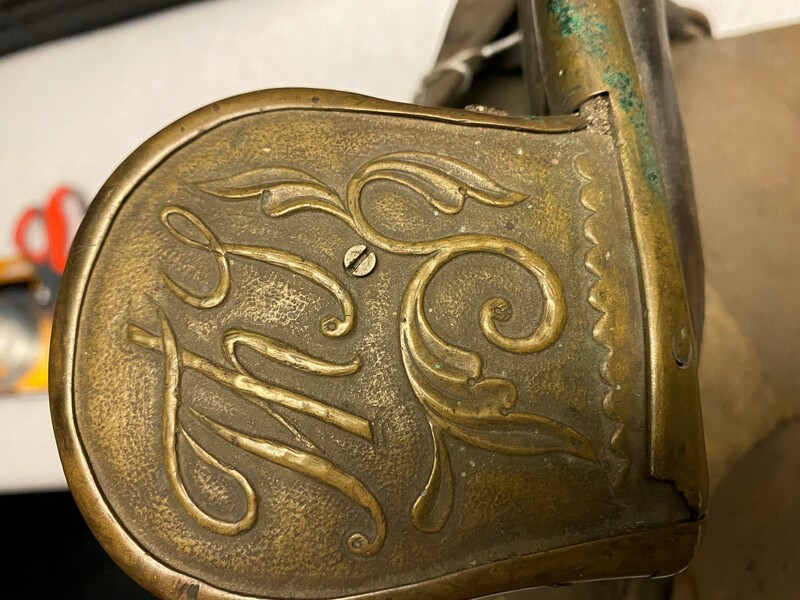
This is a double-cinch side saddle with a backrest and likely ahistorical stirrups. It has the initials or word "Thy" on the pommel and 1875 on the back of the backrest in bronze (?). This item was collected and accessioned in 1922 by C.C. Willoughby…
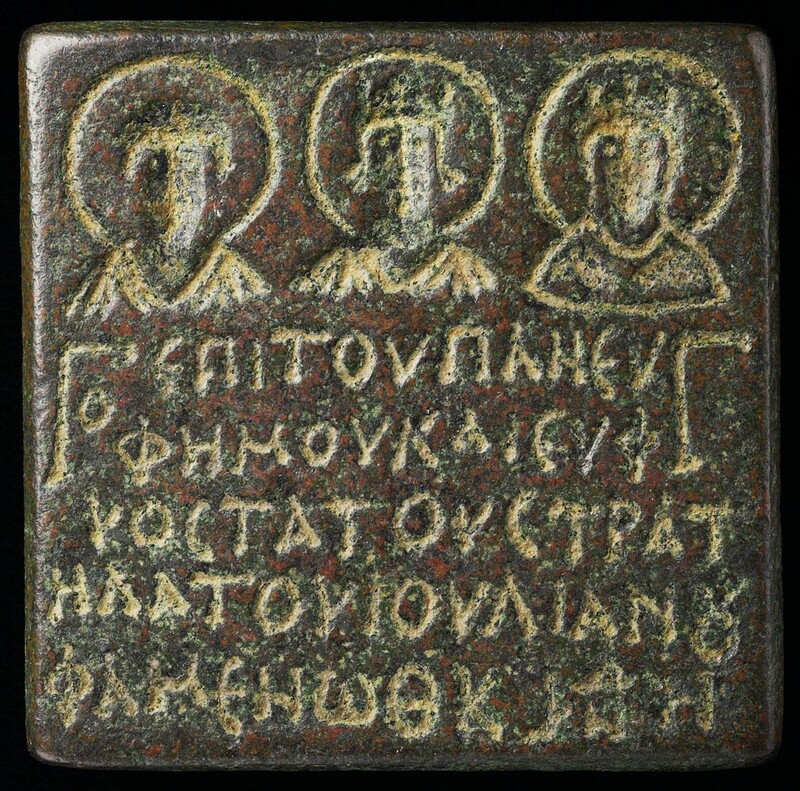
Published Catalogue Text: Ancient Mediterranean and Near Eastern Bronzes at the Harvard Art Museums
This flat square weight was used for weighing coins on a balance scale. The inscription provides unusually detailed and precise information…
This flat square weight was used for weighing coins on a balance scale. The inscription provides unusually detailed and precise information…
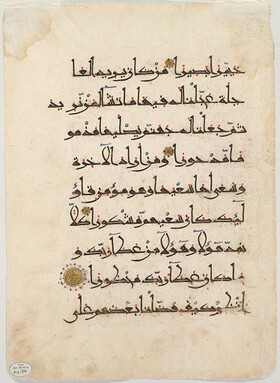
This is the right hand side of a handwritten bifolio of the Qur'an, produced toward the end of the Abbasid Period, when books proliferated throughout the Islamic world and the Qur'an became a written text rather than an oral tradition. The artifact…
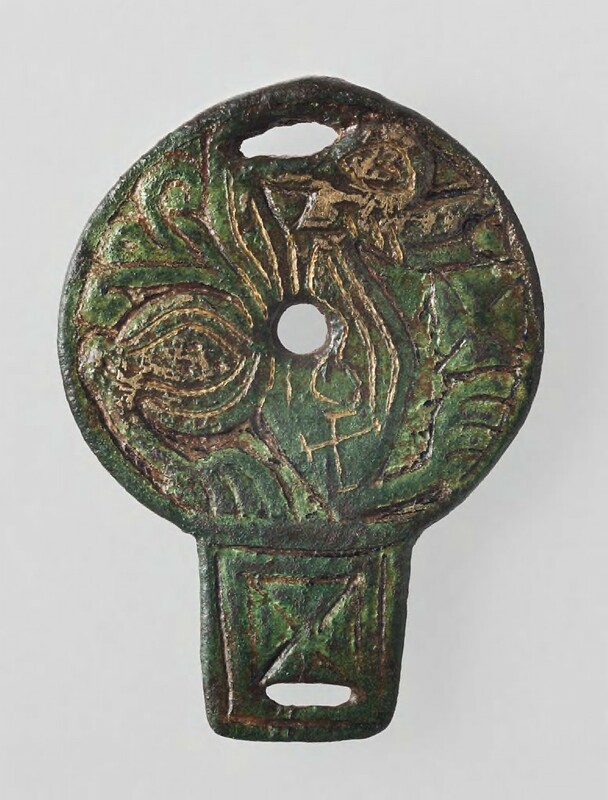
"This circular attachment joins a disc with gold-wire dragon decoration to a rectangular tang. A very regular circular hole pierces the middle of the disc. There is an irregular elliptical hole at the top of the disc and a more regular elliptical…
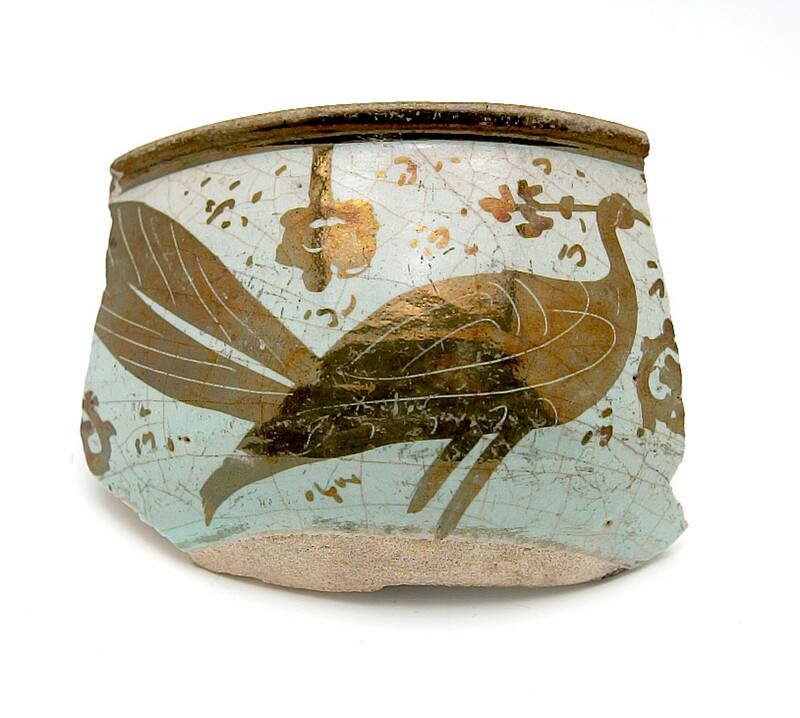
The "Luster bowl sherd with peacock" is an 11th-century ceramic lusterware originating from the Fatimid period (Egypt). The lusterware, which features a golden peacock on a lustre glazed ceramic, was created by an unknown artist using ceramic…