Browse Items (32 total)
Sort by:
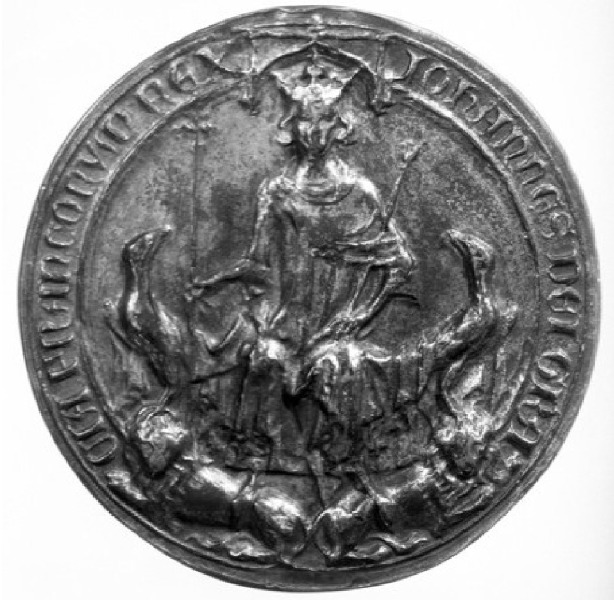
A circular sculpture with inscription around perimeter: FRANCO CUM REX JOHANNES DEI GRA CIA

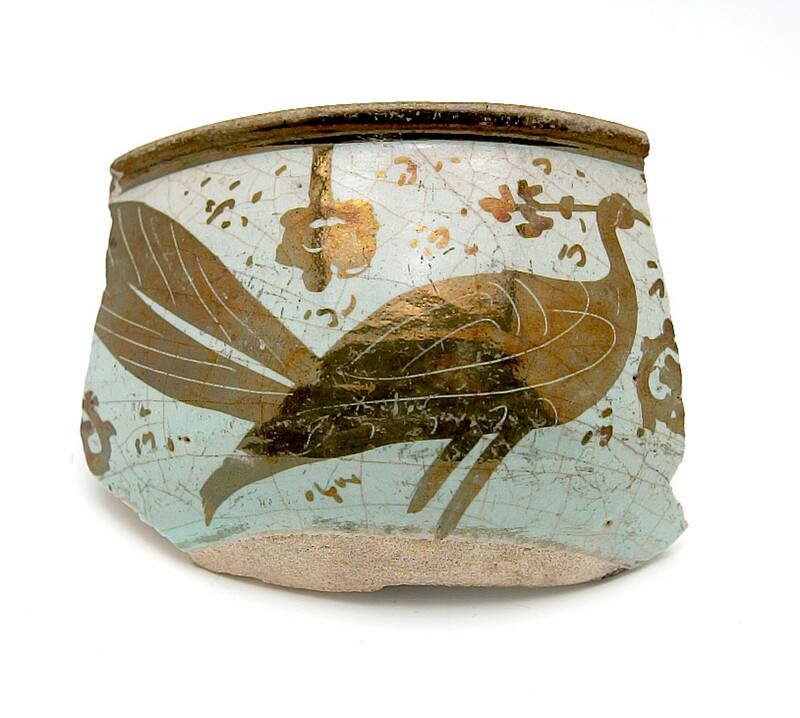
The "Luster bowl sherd with peacock" is an 11th-century ceramic lusterware originating from the Fatimid period (Egypt). The lusterware, which features a golden peacock on a lustre glazed ceramic, was created by an unknown artist using ceramic…
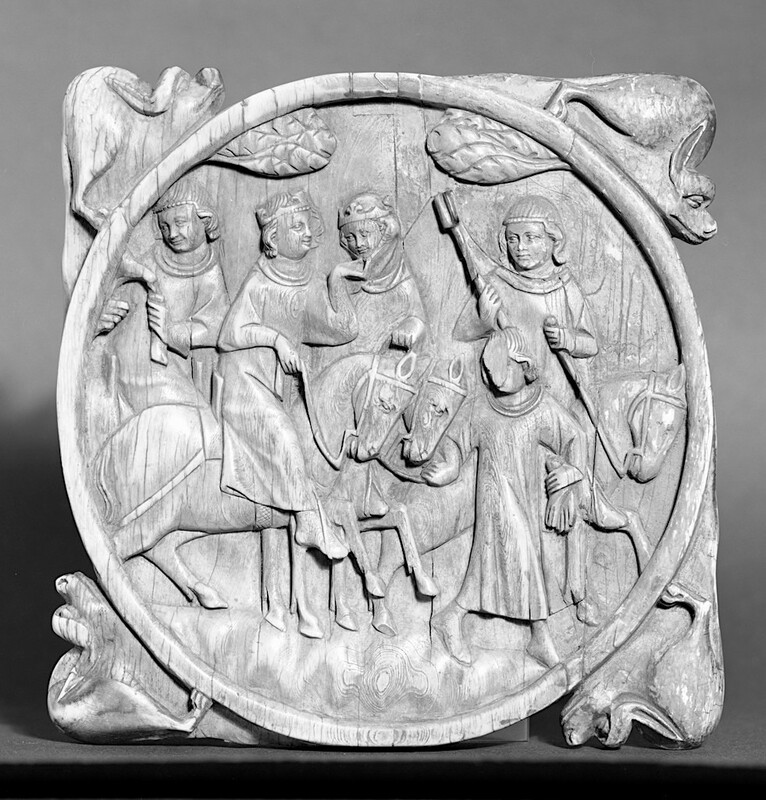
This ivory mirror case depicts a noble couple riding on horseback in a hunting party. Two servants accompany them on horseback, and a child walks in front, leading the noble lady's horse. Four beasts, likely of mythological origin, frame the edges of…
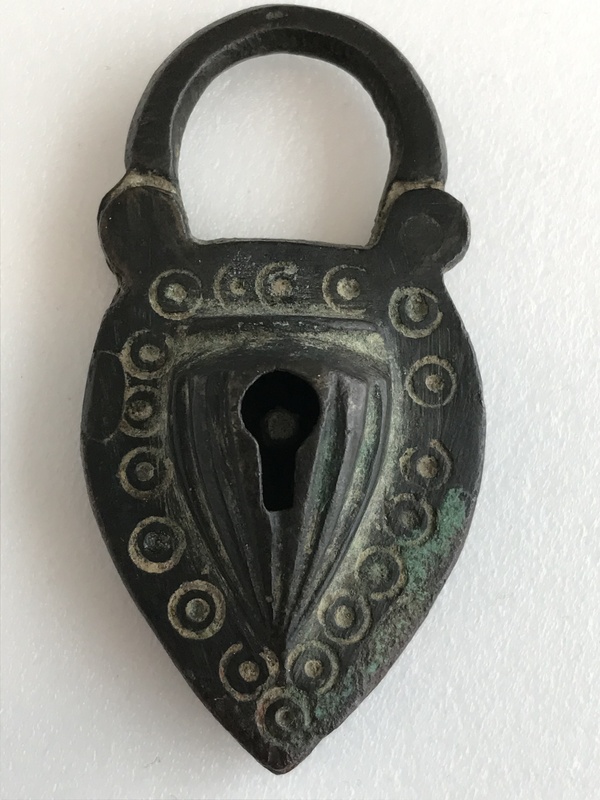
Small lock with vase at center of front plate. The front plate and vase are cast in one piece and the back and sides are cast in one piece. The front plate is attached to the back and sides via two tabs that are bent over onto the top plate over the…
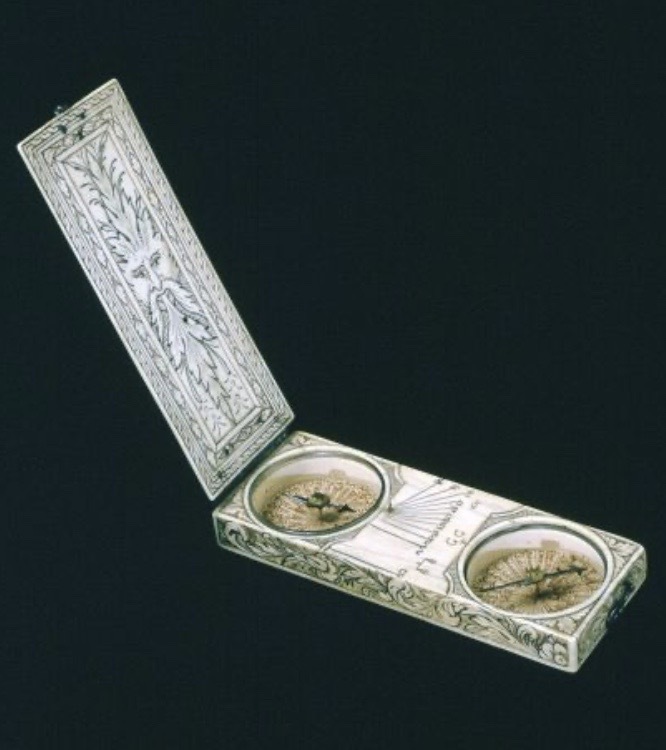
"This is an unusual ivory diptych sundial in both elongated shape and design. It has a single pin gnomon dial showing Italian hours and two magnetic compasses.
Ia Medici coat-of-arms surmounted by a crown and supported by acanthus leaves. The…
Ia Medici coat-of-arms surmounted by a crown and supported by acanthus leaves. The…
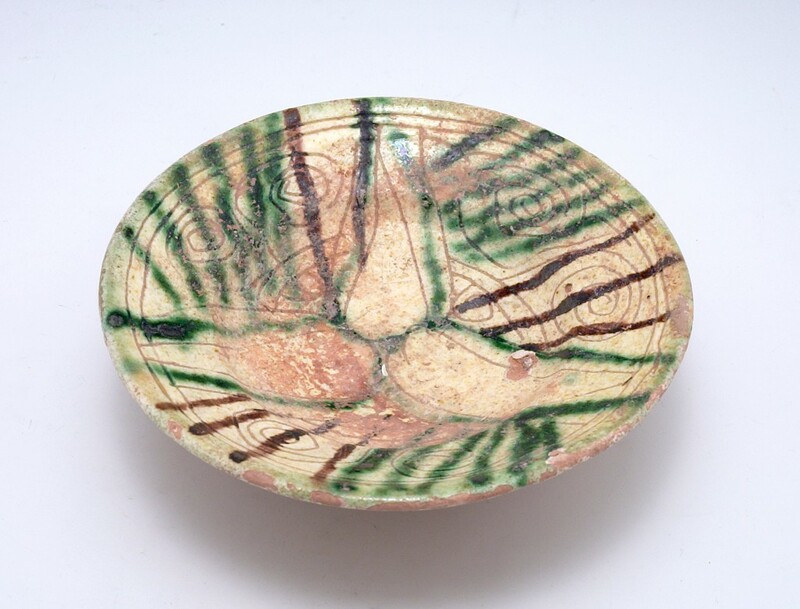
The reddish earthenware of this dish is covered on the interior and partially on the exterior with a white slip. The interior holds a loosely incised design of two circles, each with double outlines, and a trio of radiating lanceolate leaves. Freely…
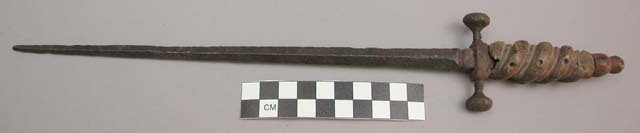
Dagger, tapered square blade, iron cross guard, spiral wood grip, stone inlay
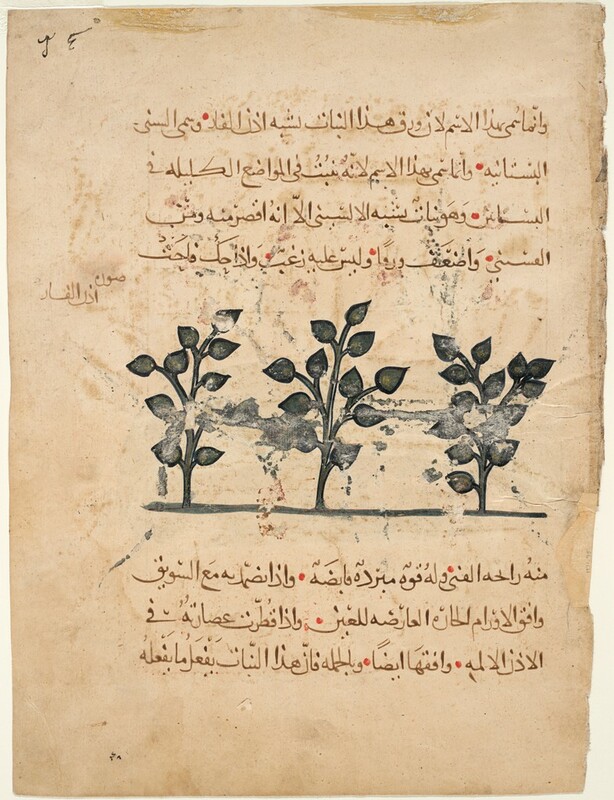
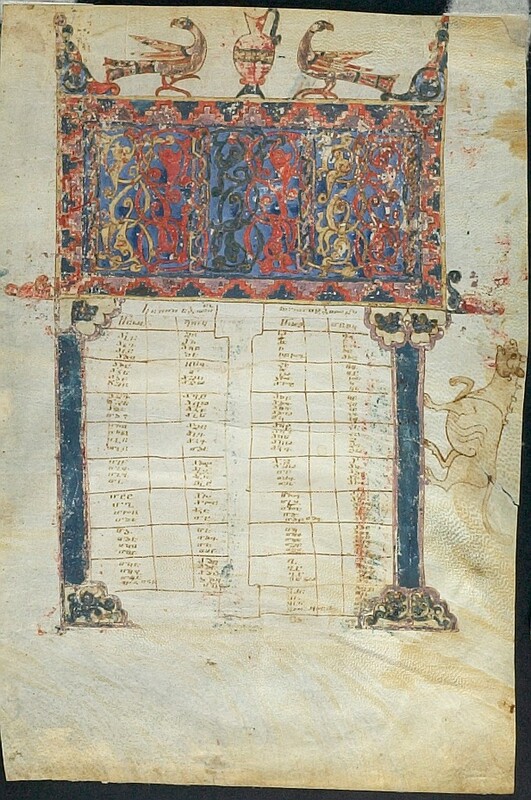
The object is a folio from a 12th century Armenian illuminated manuscript. The folio depicts a concordance table—a chart used to track concordance between the four Gospels.