Physical Power
The Middle Ages frequently evokes images of knights in shining armor and glorious and gruesome battles. From the Crusades to the Hundred Years’ War, war certainly was a predominant aspect of the Middle Ages. However, physical power extends beyond war and conflict alone and encompasses offensive measures as well as defensive ones. Noblemen and commoners alike accessed a variety of weapons and methods of defense to protect themselves and their material possessions.
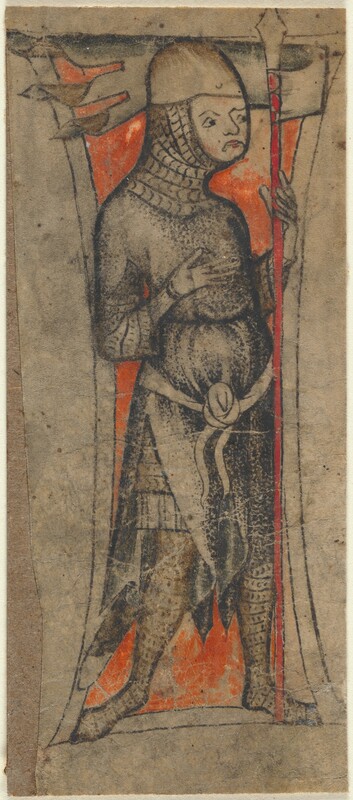
Knights served and defended both their local lords and religion, Christianity, primarily by engaging in battles and wars. Knights often served in armies or in orders of knights, or military orders, such as the Knights of Templar, who fought during the Crusades. Considering the financial requirements of being a knight, including being required to pay for one’s own armor and weapons, most knights of the Middle Ages were of affluent and wealthy families.
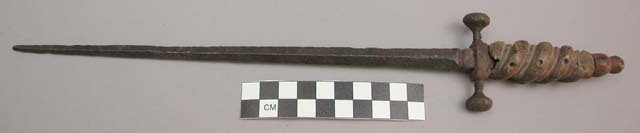
A weapon of the late Middle Ages and Early Modern Period, stilettos are a type of Italian dagger that was commonly carried by people. The design of the blade is small, light, and compact, rendering it easily concealable by users behind shields or armor. Also known as an assassin’s weapon of choice, it is most effectively used in combat for stabbing.
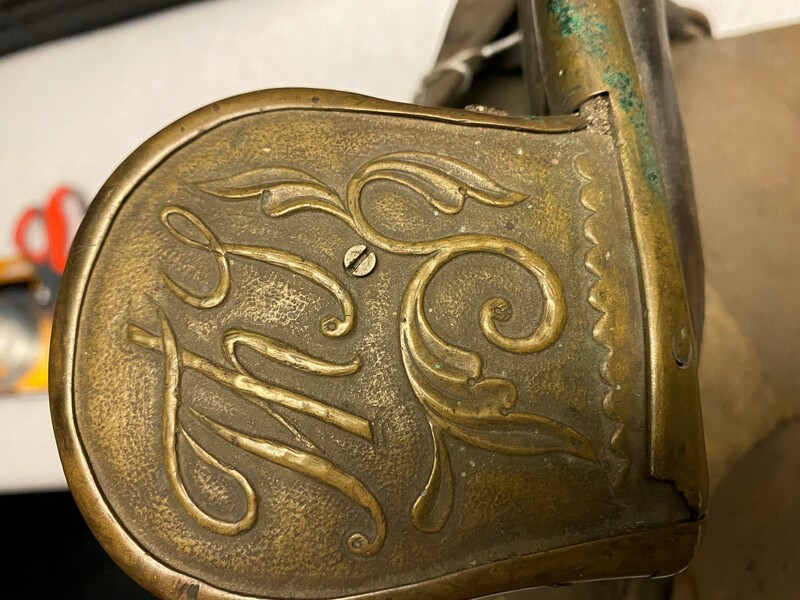
Medieval saddles were designed to facilitate horseback combat. Curved panels on the front and back of the saddle offered support to the rider. A cantle wrapped around a rider, preventing them from being offseated, which was particularly useful for battle and jousting competitions. Such design features, among others, were implemented to assist the rider in remaining on the horse.
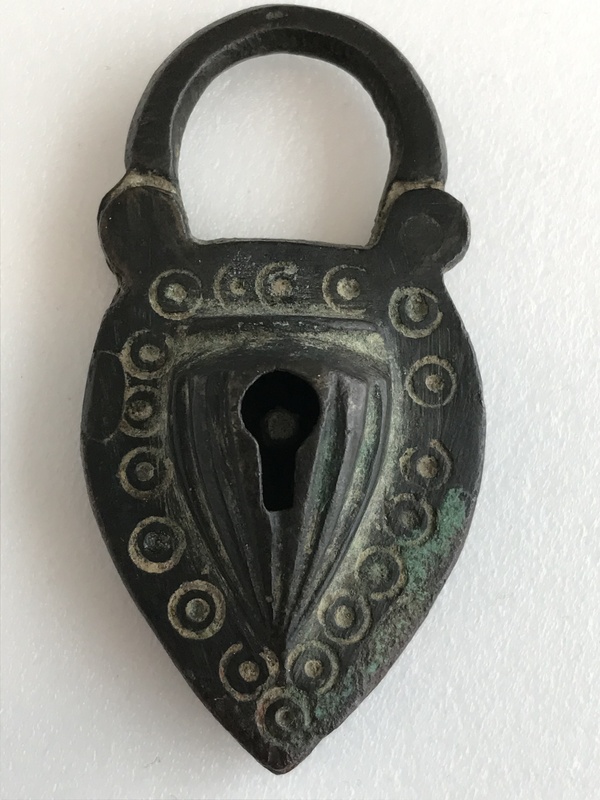
With the primary goal of securing a space from thieves, locks were a physical defense against burglary. The ornate design surrounding the keyhole suggests that this lock belonged to a nobleman, and may have been used to protect valuable belongings.